
Training Program


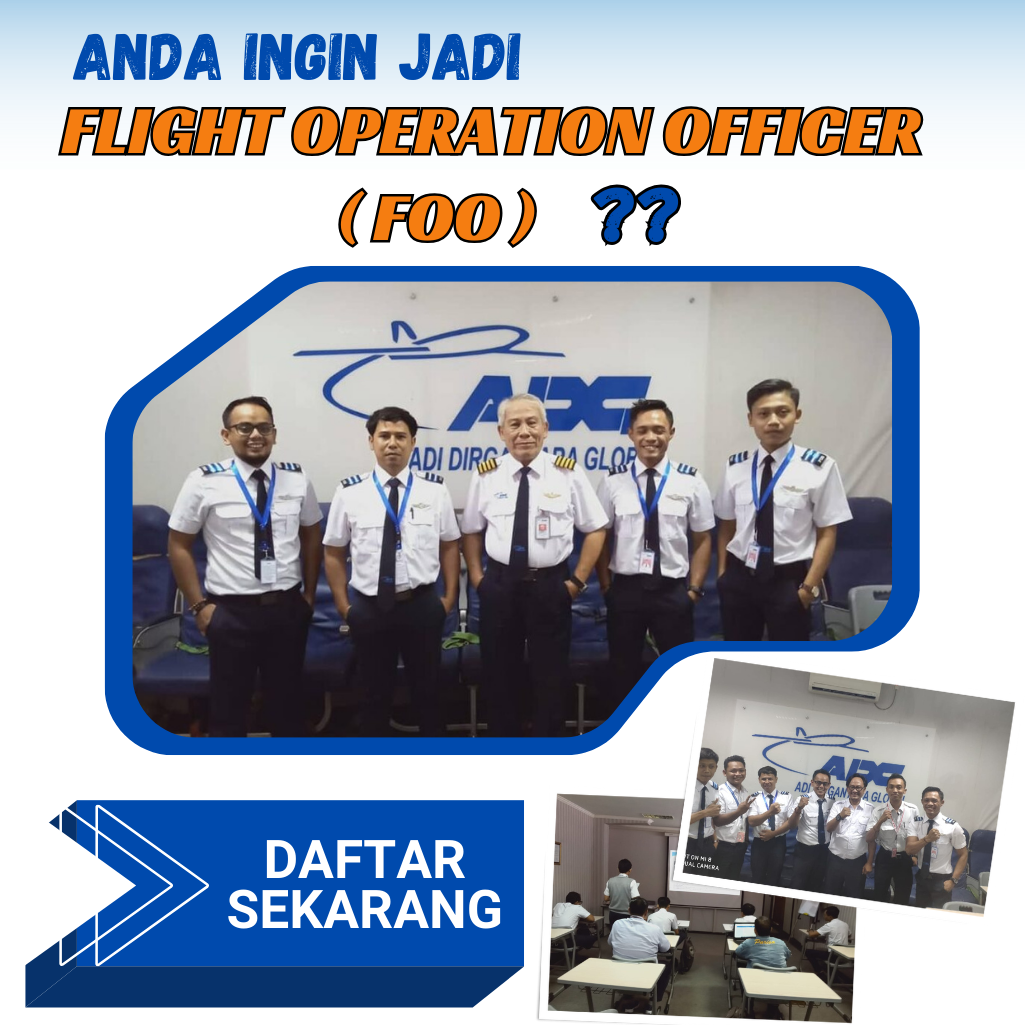
Flight Operation Officer

Flight Operation Officer (FOO) are flight operations support personnel licensed according to ICAO (International Civil Aviation Organization) standards and has the task and responsibility of preparing all documents and data required for flights, including :

Weather report
Passenger Manivest and Cargo Manivest
Calculating the weight and balance of the Aircraft
Calculating Aircraft performance capabilities
Flight Planning
Calculating fuel requirements for flights
Carrying out Briefings to Pilots in Command
Together with the Pilot in Command, he is responsible for releasing the flight
Monitor and provide assistance to the Pilots while the aircraft is in flight


Flight Operation Officer Requirements:
• General Requirements
Minimum age 20 years
Minimum formal education, High School/equivalent, Diploma or Bachelor
Physically and mentally healthy
Not color blind
Free from drug abuse
Passed the internal test at Adi Dirgantara Global
Pass a Health Examination
Fluent English (Talk & Written)
• Document Requirements
Fill in the Registration Form
Photocopy of final diploma and ID
Police Record Certificate
Photocopy of Family Card
Photo size 2x3, 3x4, 4x6 (2 sheets) Blue background
Parental Permission Letter
Color Blindness Certificate from Hospital
English Course Certificate (If any)

Flight Operation Officer Education :
Non Diploma FOO
Diploma 3 Aeronautical + FOO
Diploma 3 Informatika + FOO
*Collaboration with Dirgantara Marsekal Suryadarma University


Career Prospects
Domestic & International Airlines Companies
Air Charter Company
Health Nurse for Hajj flights

Flight Attendant education :
Flight Attendant Non Diploma
Diploma 3 Health Nursing + Flight Attendant
*Collaboration with Dirgantara Marsekal Suryadarma University

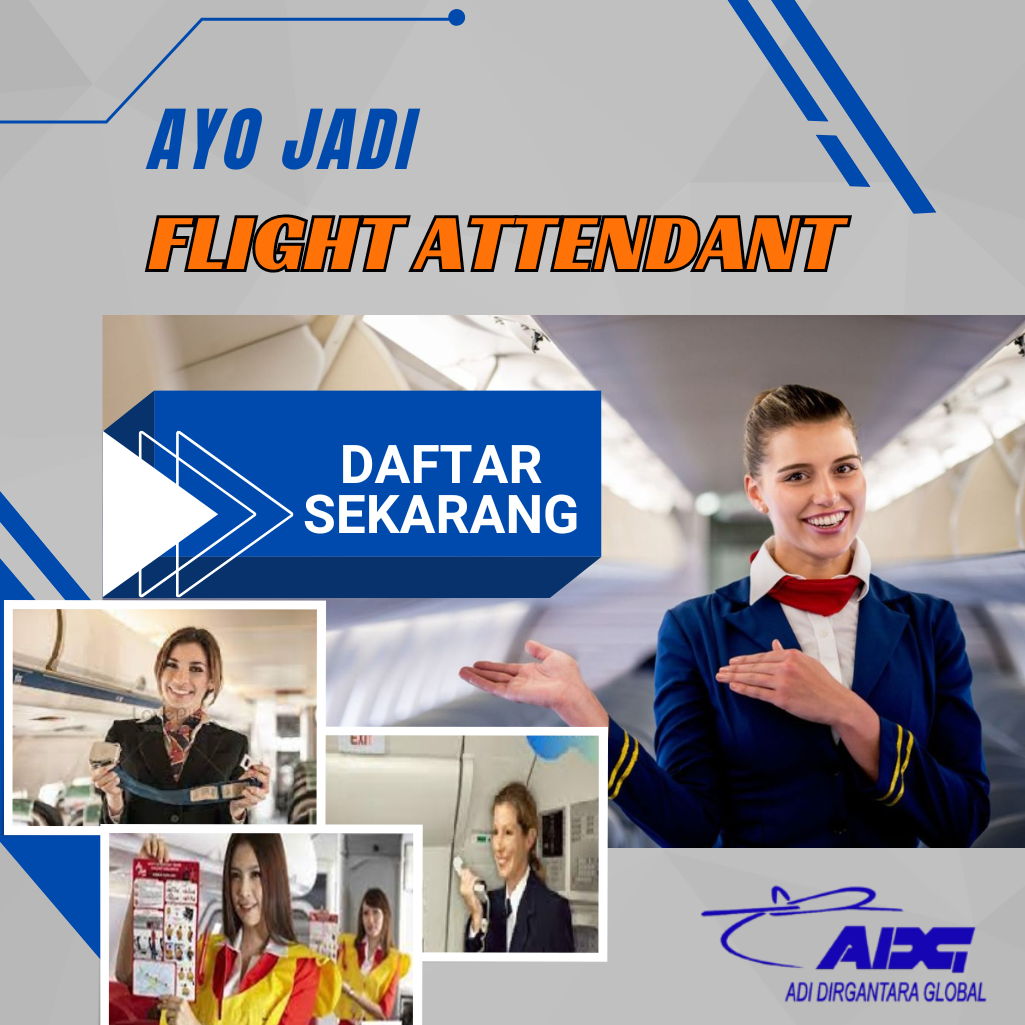
Flight Attendant

Flight Attendant is a Professional Safety profession to manage bad situations that can occur in the aircraft cabin and to provide assistance to passengers in emergencies and to ensure cabin safety. Cabin crew have additional duties to provide in-flight services, Cabin crew also act as company representatives in creating the company's image

Flight Attendant Requirements:
• General Requirements
Attractive and well behaved
Not married yet
Physically and mentally healthy
Free from drug abuse
Minimum age 18 years and maximum 25 years
Minimum formal education, High School/equivalent, Diploma or Bachelor
Not Wearing glasses unless the maximum lens is minus -1.00, cylindrical C -1.00
Minimum height 170cm (Men) and 165cm (Women) with proportional body weight
Fluent English (Talk & Written)
• Document Requirements
Fill in the Registration Form
Photocopy of final diploma and ID
Police Record Certificate
Photocopy of Family Card
Photo size 3x4 and the whole body size 3R (Red Background)
English Course Certificate (If any)
• Special Requirements
Height/weight measurement & Appearance Test
Background Check and Competency Interview
Medical Examination (Medex) third class at the Airmen's Health Center


AVIATION SECURITY

Aviation Security (AVSEC) Are staff or employees who work in aviation companies such as airlines or airport managers. AVSEC's main task is to ensure aviation security and safety.
As the aviation industry develops, to minimize actions which is against the law in aviation. So, AVSEC is divided into several types, namely:

  • AVSEC Basic
    The initial rank of AVSEC is called BASIC AVSEC. The work carried out is still quite basic and not heavy. Usually, they carry out inspections of passengers and goods. Every AVSEC Personnel from the Most Basic (Basic), Deep Carrying out their duties must be able to show a Certificate Personnel Proficiency that is still valid.
  • AVSEC Junior
    The next AVSEC level is “JUNIOR AVSEC”. AVSEC Junior, in Carrying out their duties must also show a Personnel Competency Certificate Junior AVSEC which is still valid. Obligation to have a License or STKP for every AVSEC Personnel determined in writing by the Directorate General of Civil Aviation with NO.SKEP/2765/XII/2010 Chapter I Point 9. That it is stated by having STKP or With this license, personnel are deemed to have the skills to carry out their duties Aviation Security. AVSEC Junior Officers have the authority to carry out Security Checks Flights using organic and inorganic material detection equipment commonly called X-Ray. The main task of Junior Aviation Security (AVSEC) is to protect the Security area Restricted Airports and Airplanes from Prohibited Items, Weapons, and Dangerous Goods.
  • AVSEC Senior
    Senior AVSEC is the Highest Ranking AVSEC Personnel. In their position, they have a lot of responsibility large and has been specialized in the work of each divided in several divisions.
    To be able to get this rank, you must be sufficient long as AVSEC.

BASIC AVSEC Requirements:
• General Requirements
Minimum age 18 years and maximum age 29 years
Minimum formal education, high school/equivalent
Physically and mentally healthy
Not color blind
Free from drug abuse
Minimum height 175cm (Men) and 160cm (Women) with proportional body weight
• Document Requirements
Fill in the Registration Form
Photocopy of final diploma and ID
Photocopy of Family Card
Police Record Certificate
Photo size 3x4 and the whole body size 3R, wear formal clothes.
Parental Permission Letter
Color Blindness Certificate from Hospital


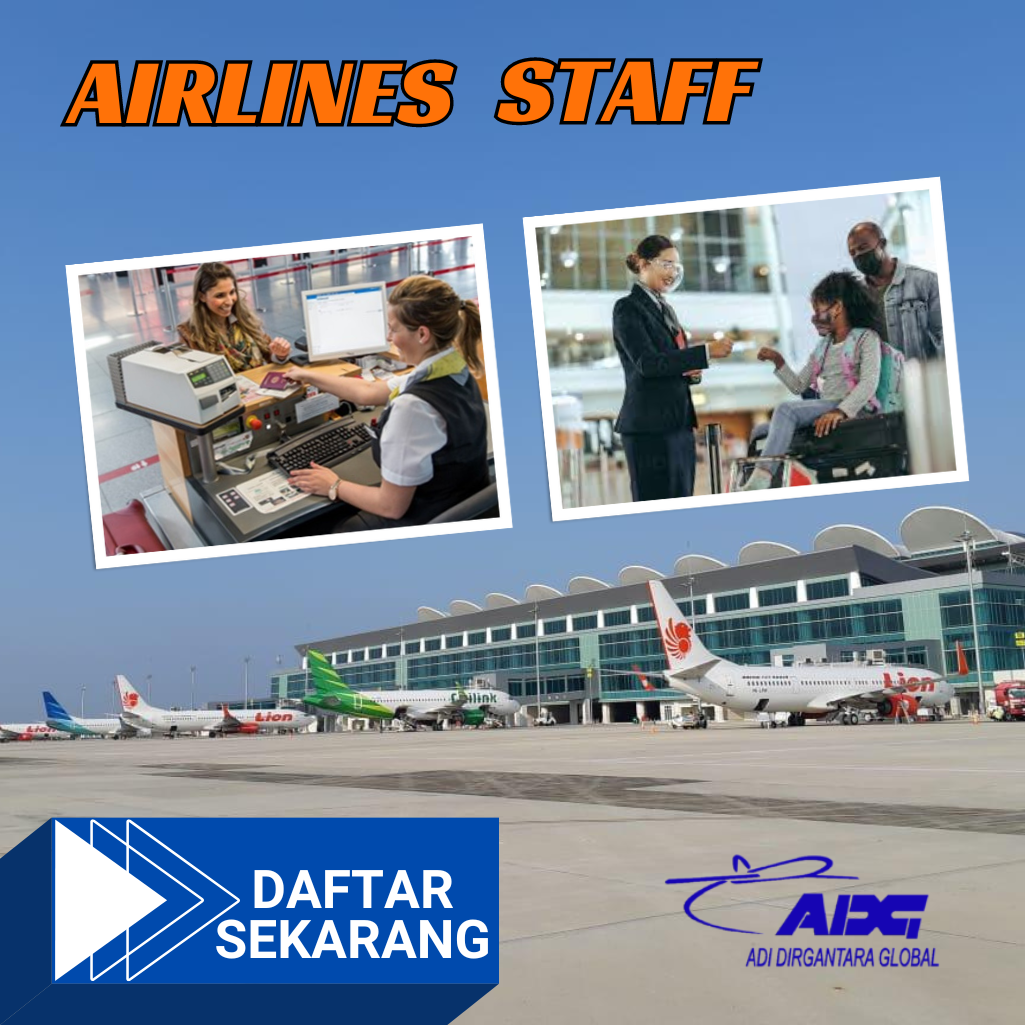
AIRLINES STAFF

AIRLINES STAFF is a person whose job is to provide services to customers, good service before departure (Pre Flight Service) and after-flight service. Apart from flight attendants and flight attendants, Airline staff are important components in an Airline's flight operations.

Airlines Staff duties include:
Handling passenger baggage
Handling aircraft cargo
Carrying out loading and unloading of aircraft
Assist passengers in the check-in, boarding and disembarking processes
Greet passengers before entering the aircraft
Handling ticket sales is the daily task of an Airline Staff.


Airlines Staff Requirements:
Minimum age 18 years
Minimum formal education, high school/equivalent
Attractive and well behaved
Physically and mentally healthy
Free from drug abuse
Fluent English (Talk & Written)


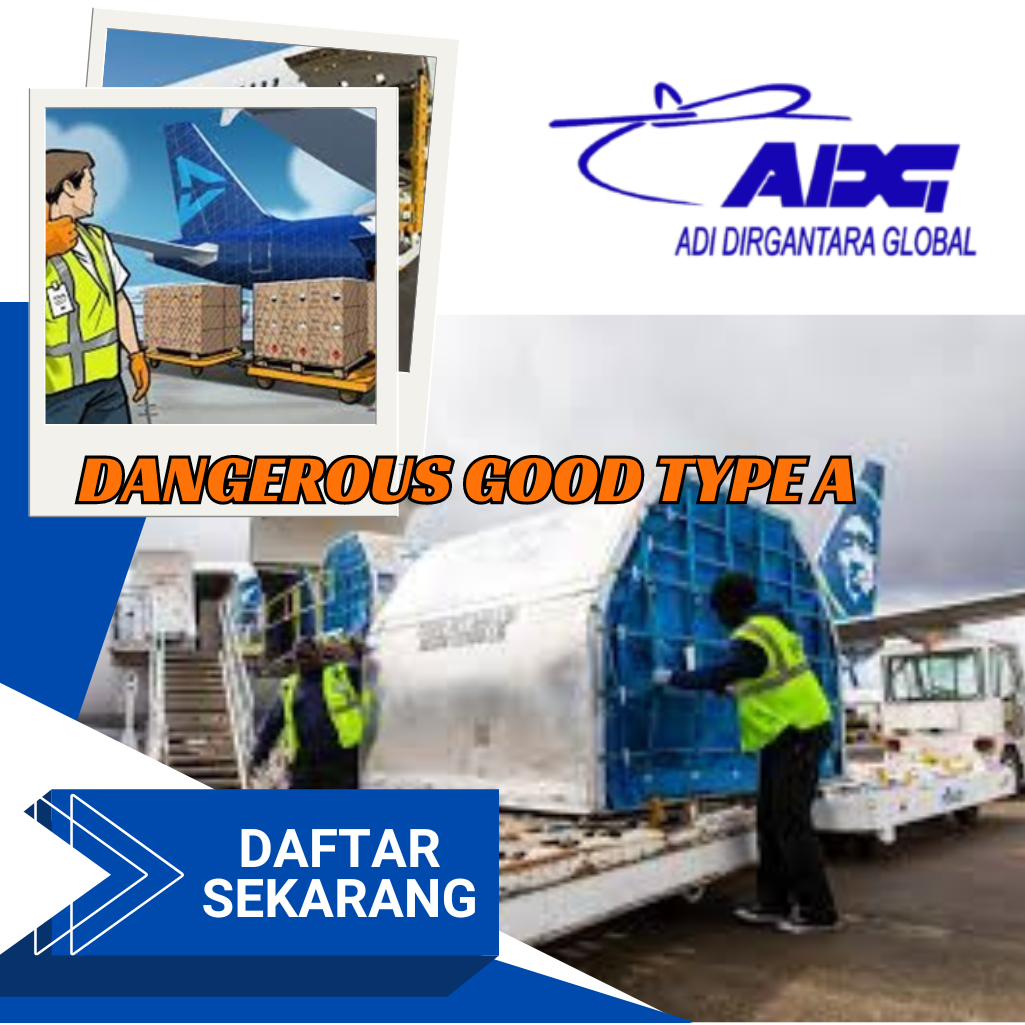
DANGEROUS GOOD TYPE A ( DG type A )

DG type A Personnel who are educated and certified to handle dangerous goods carried by air, land or sea transportation.


DG type A career prospects
Airlines Cargo Company
Freight forwarding company
Flight Operator
Post office


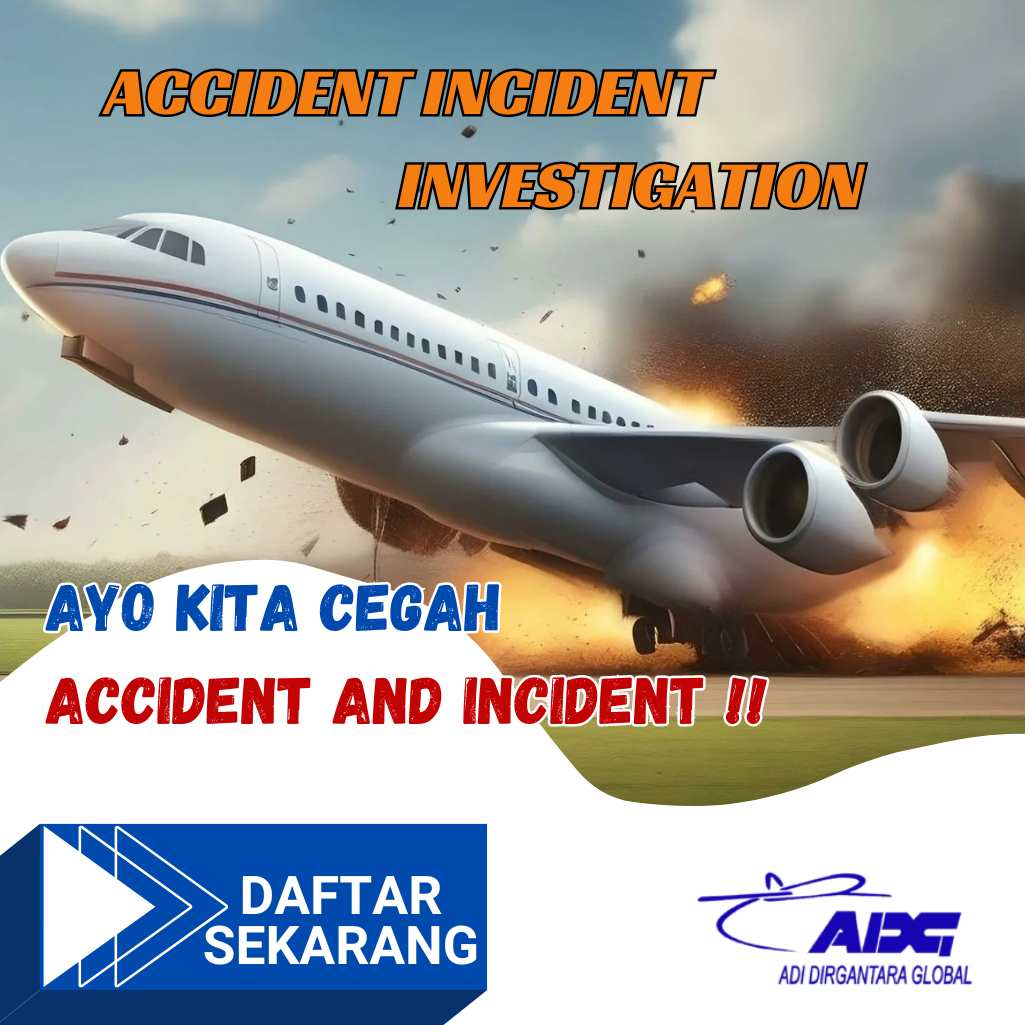
ACCIDENT INCIDENT INVESTIGATION

The intended goal is to improve understanding of the fundamental requirements for the collection, preservation and recording of evidence from accident sites, in a consistent manner. There is no definite formula, but an organized approach to checking and recording information will provide consistent and reliable results.
The purpose of investigating accidents or incidents is the prevention of accidents and incidents. This activity does not aim to assign blame or assume responsibility.


SAFETY MANAGEMENT SYSTEM (SMS)

Safety is a state where the risk of harm to persons or damage to property is reduced to, and maintained at or below, an acceptable level through an ongoing process of hazard identification and risk management. outlines the limitations of traditional methods of managing safety and outlines new viewpoints and methods in managing safety


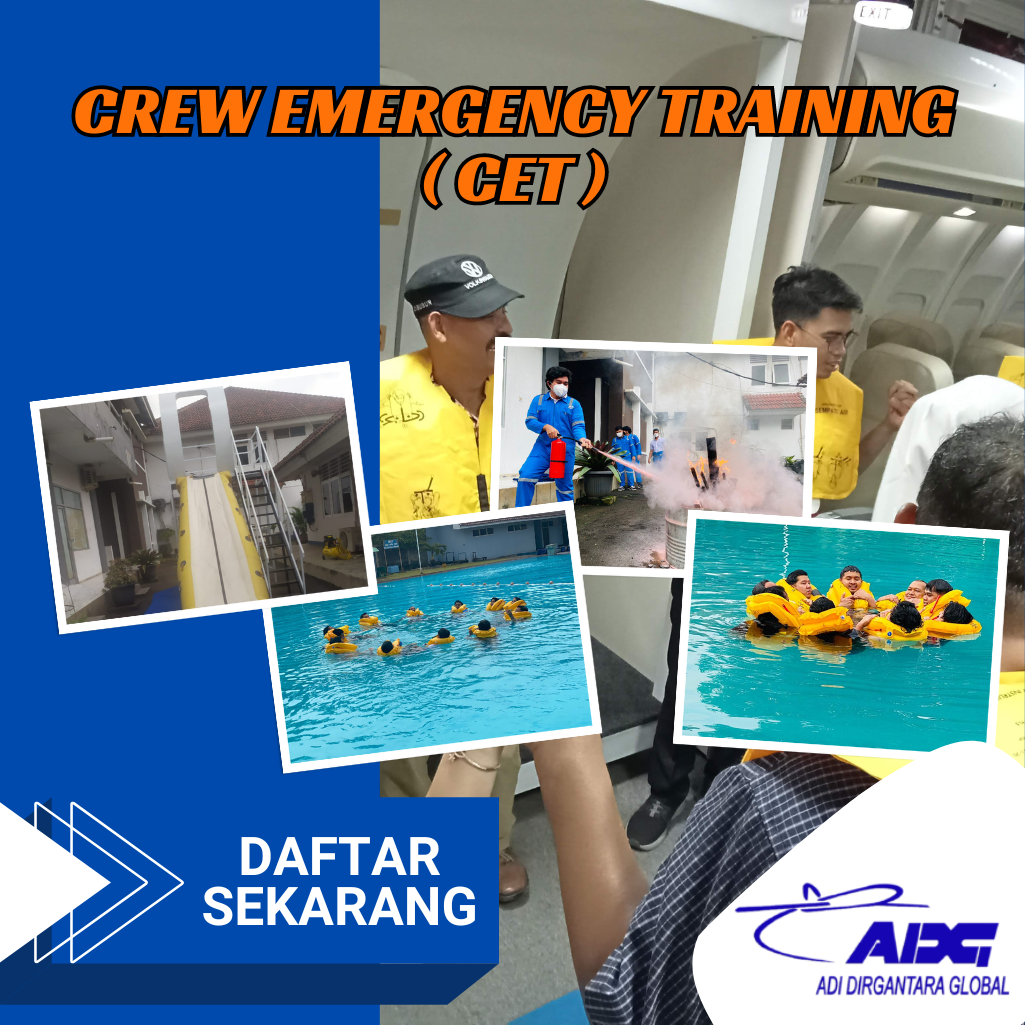
CREW EMERGENCY TRAINING (CET)

CET is an immersive and practical training course developed specifically for business aviation pilots and cabin crew. This completely practical course is delivered in complete mock ups and simulations of real life scenarios. The CET training course will ensure all flight crew members are equipped to manage unexpected emergencies and manage passengers on board the aircraft. Cabin Emergency Training courses can be tailored to operator requirements and delivered in-house in accordance with your operations manual for NCC and CAT Section operators.

This training is recommended for
Commercial Aviation Pilot
Aircrew
Flight Operation Officer for cargo flights
Load Master for cargo flights


The skills you will have after attending the training include:
State the causes of respiratory arrest and cardiac arrest
Demonstrate examination techniques on victims who have had an accident or illness
Demonstrate ABC Resuscitation Techniques (Airway, Breathing, Circulation)
Demonstrate providing assistance to victims who experience airway obstruction due to foreign objects
Demonstrate how to apply dressings and splints to bleeding and broken bones

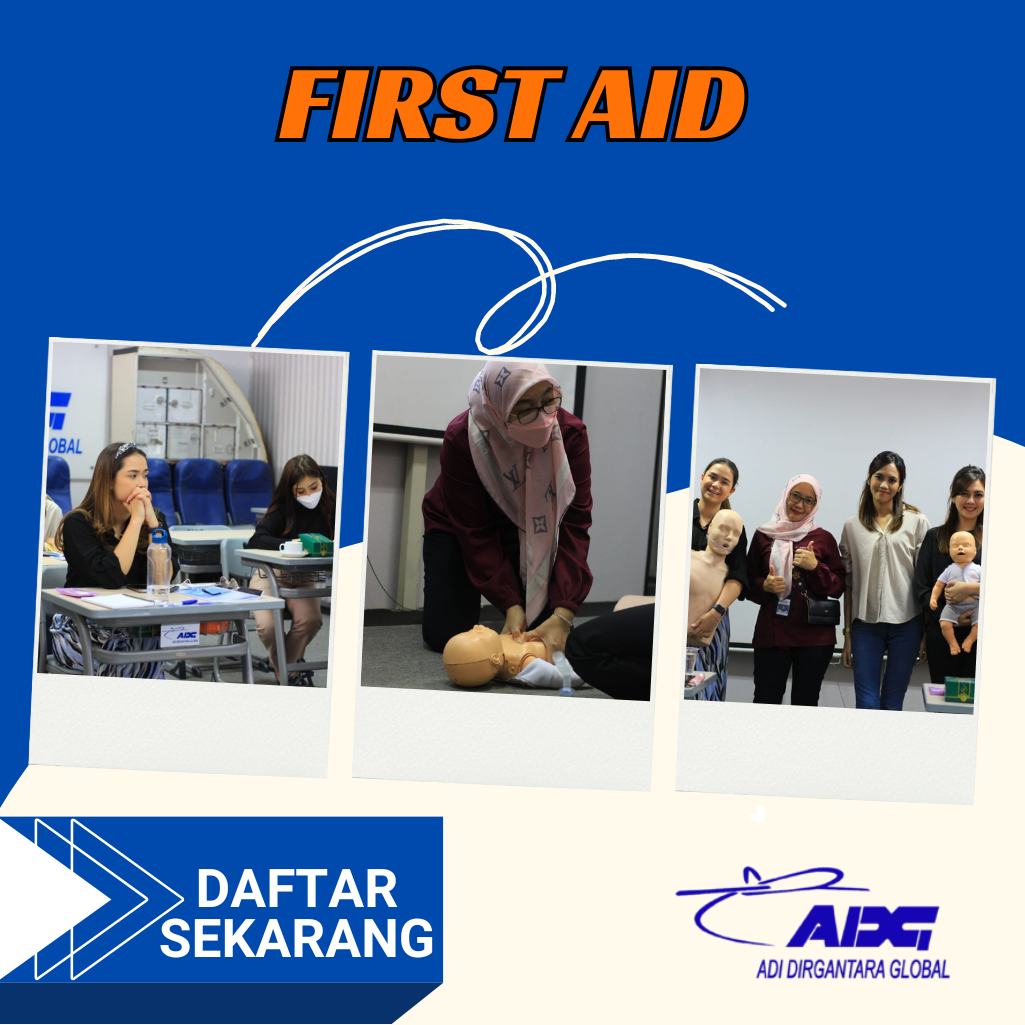
FIRST AID

FIRST AID THE UNDERSTANDING OF FIRST AID is: Providing immediate assistance to victims of illness or injury/accident who require basic medical treatment.
FIRST AID TRAINING OBJECTIVES:
  • To provide knowledge and understanding of the parties or participants in connection with basic emergency treatment for paramedics or other employees in a company which is aimed at from the initial stage to the final stage evacuation of an accident victim.
  • Providing knowledge for participants with basic skills, especially relates to basic concepts and procedures for dealing with emergencies, so participants can recognize and detect emergency incidents in the field early and be able to provide initial assistance to accident victims quickly, accurately and safely
  • Participants understand response methods to handle emergency situations.
  • Participants were able to recognize life-threatening conditions in patients suffering from attacks heart (cardiovascular) and trauma


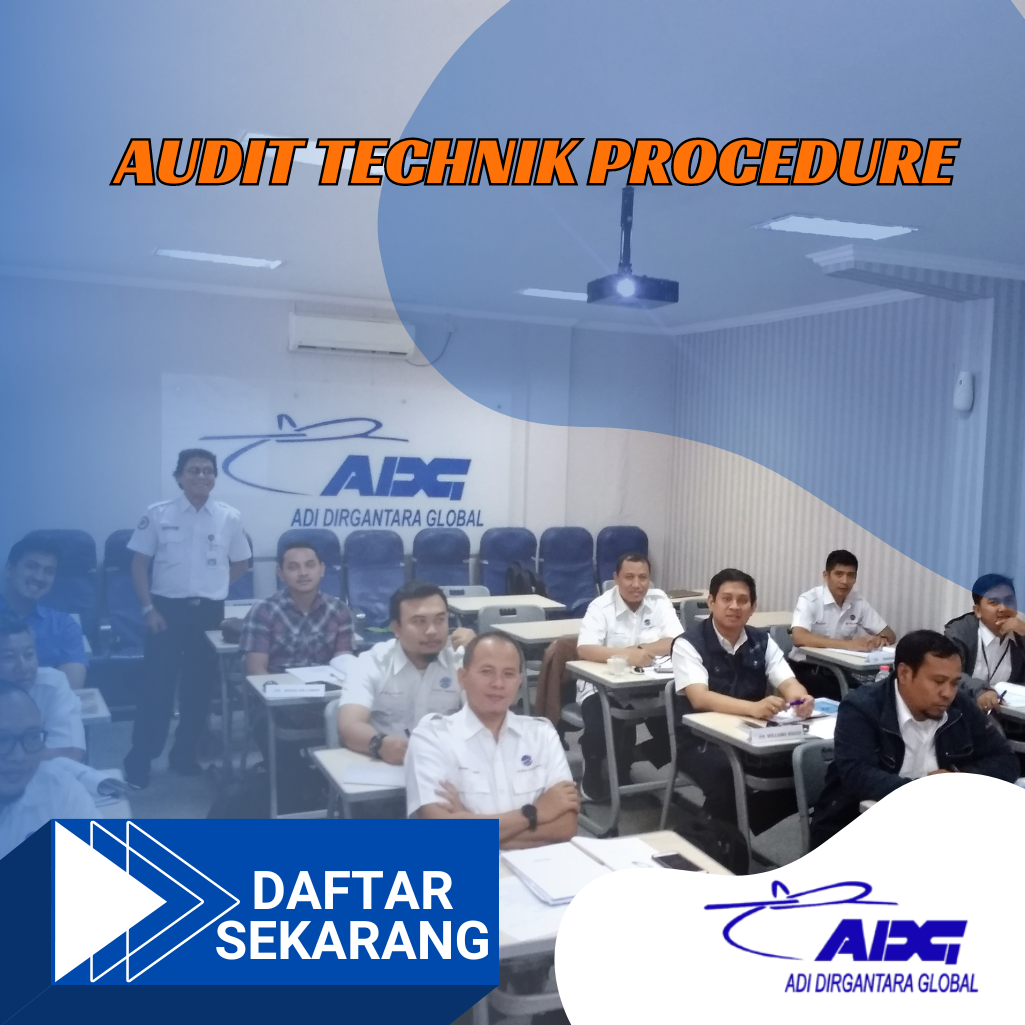
AUDIT TECHNIQUE PROCEDURE

To provide prospective Auditors with the basic skills and knowledge necessary to participate as a Team Member in any Audit, and able to write audit findings accurately, and in accordance with applicable Civil Aviation standards


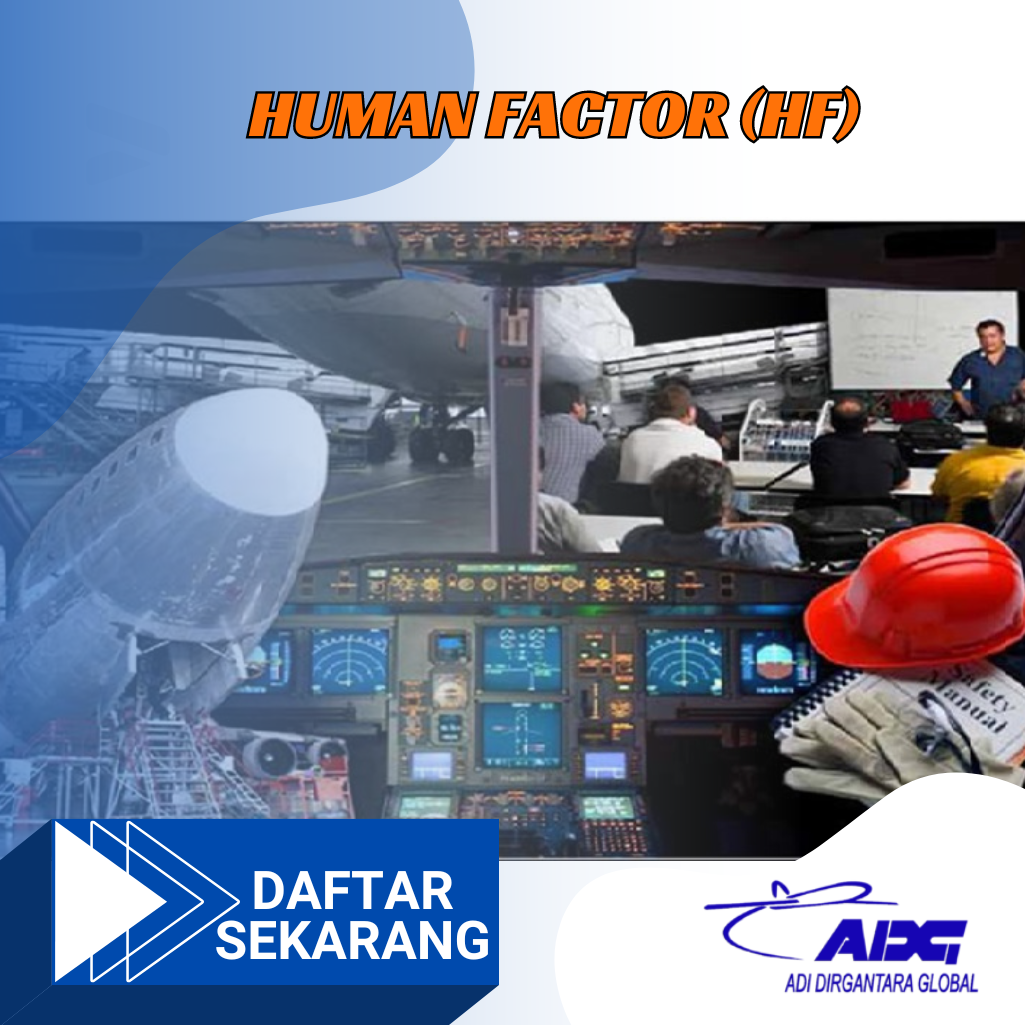
HUMAN FACTOR for Aircraft Maintenance (HF)

Maintenance Resource Management, Human factors in aircraft maintenance. Human factors directly cause or contribute to many aviation accidents. 80 percent of maintenance errors involve human factors.
If undetected, they can cause incidents, worker injuries, wasted time, and even accidents. Maintenance errors are parts not installed correctly, parts missing, and necessary checks not performed.
What is Human Factors? Human factors science or technology is a multidisciplinary field that combines contributions from:
Psychology
Technique
Industrial Design
Statistics
Operations Research
Anthropometrics
By understanding each discipline and applying them to different situations or human behavior, we can properly recognize potential human factors and address them before they develop into problems or create a chain of problems that result in accidents or incidents.


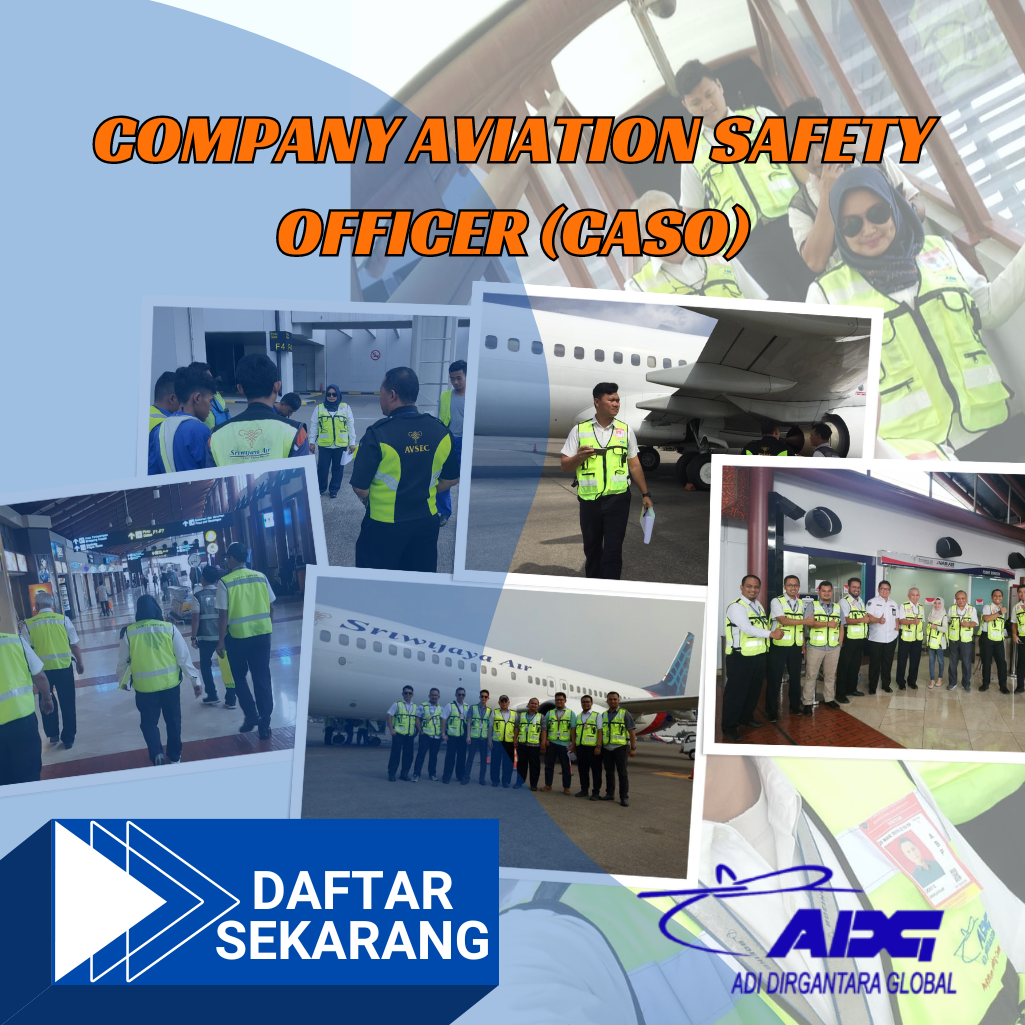
Company Aviation Safety Officer (CASO)

Following Company Aviation Safety Officer (CASO) training, training participants will be able to understand and recognize the roles and responsibilities (functions) as a CASO, including:
Hazard identification and Risk Assessment - HIRA and how to mitigate/prevent
Accident and Incident Investigation Conduts
Conduct audits
Survey and Surveillance
Report writing
Carry out outreach and safety recommendations

CASO education is intended for Aviation Operator employees who intend to build Aviation Safety in their company.
Pilot
Engineer
Flight Operation Officer
Flight Attendant
Safety Specialist


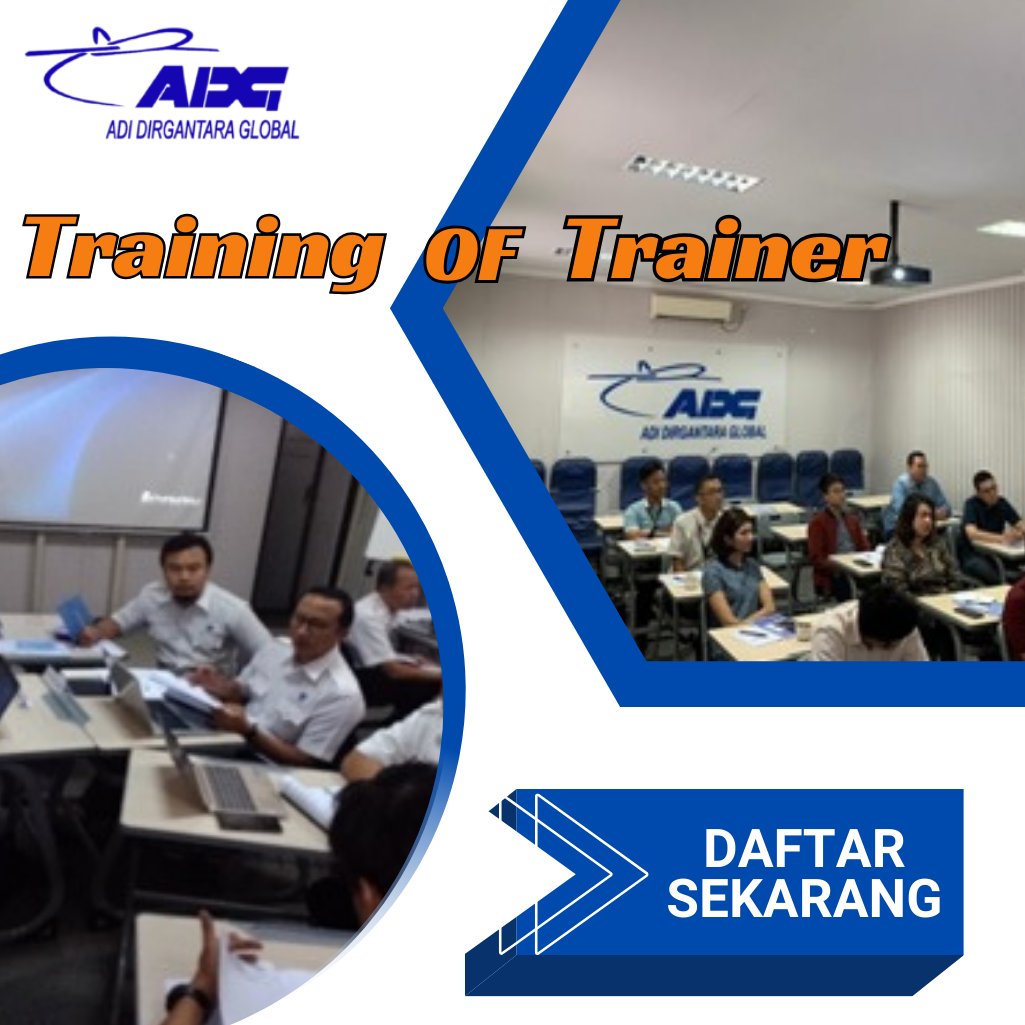
TRAINING OF TRAINER

Training of Trainers is to involve trainers in training new inexperienced trainers, with a particular topic or skills, or by overall training. TOT can build a pool of competent instructors who can then teach the material to others.


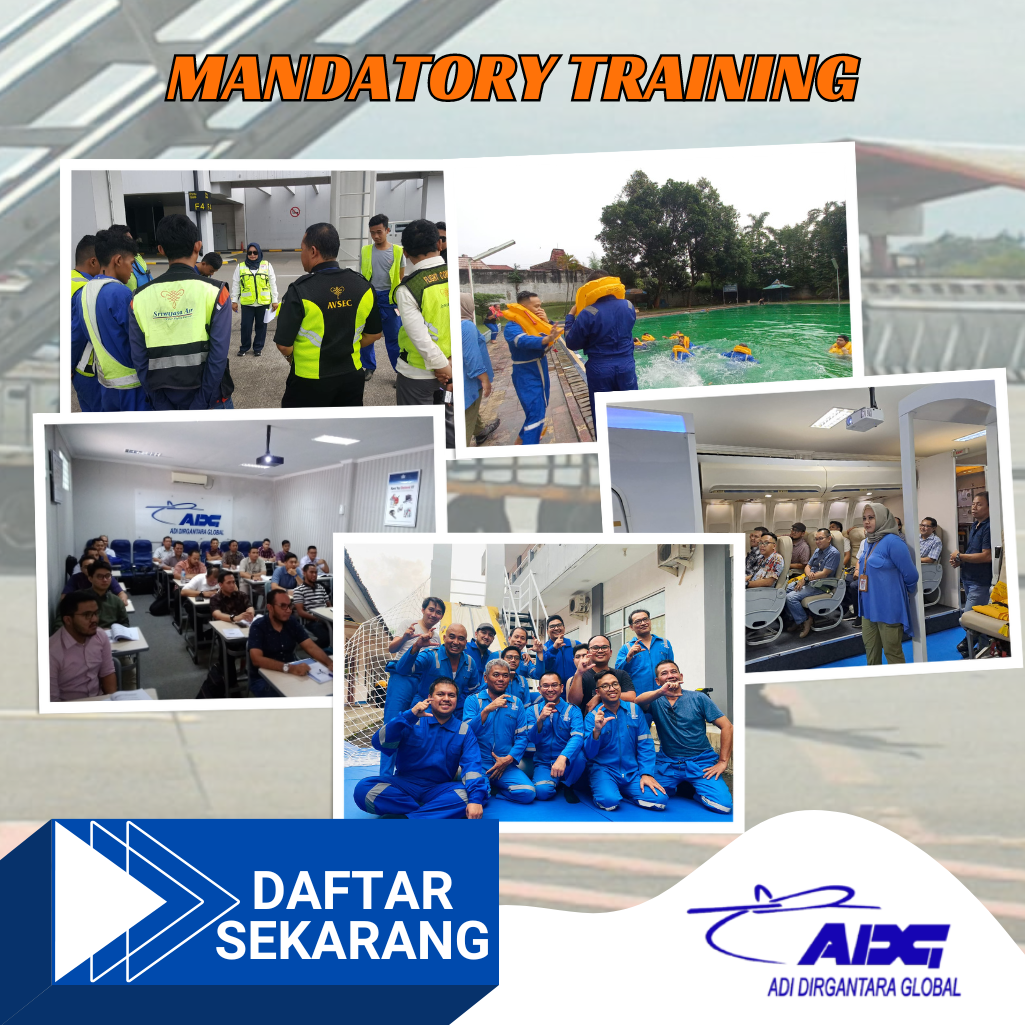
MANDATORY TRAINING

The training program required in the CIVIL AVIATION SAFETY REGULATION for certificate holders (Air Operator Certificates) must include the components as applicable to Certificate holders and everyone must receive this training.

Crew Resources Management (CRM) - Initial and Recurrent
Single Pilot Resources Management (SRM) - Initial and Recurrent
Recurrent Dispatch Resources Management ( DRM ) For Flight Operation Officer
Windshear
Reduce Vertical Separation Minimum ( RVSM )
ALAR and Control Flight into Terrain (CFIT)
Performance Base Navigation (PBN)
Human factor Maintenance Resource Management ( MRM )
Dangerous Goods Awareness & Dangerous Goods type A
Aviation Security (AVSEC) Awareness
Crew Emergency Training (CET)